| Bilder av Jelgava
Bilder av Jelgava på Panoramio
|
|
|
Kommersielle kategorier Jelgava |
Informasjonskategorier
|
Travel råd og advarsler Jelgava
| History |
Jelgava town began developing in 1265 when Livonian Order Grand Master Konrad von Mender started building a new wooden castle on the Island of Lielupe River where today Jelgava is located. This place was named Mitau. At these days biggest enemy of Mitau was Lithuania. In 1345, Lithuanian duke Algirdas conquered Jelgava. Later in 1376, Lithuanian duke Kestutis attacked the land again. |
| Sights |
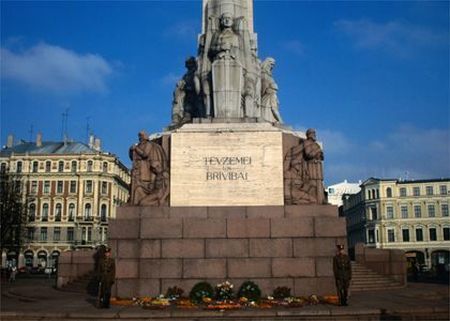
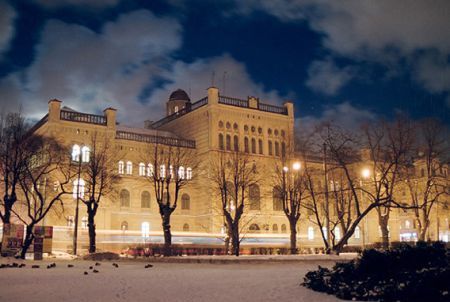
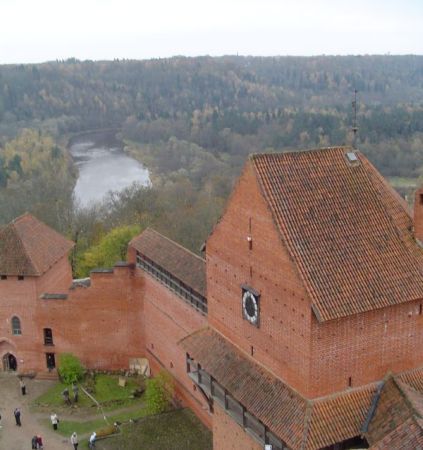
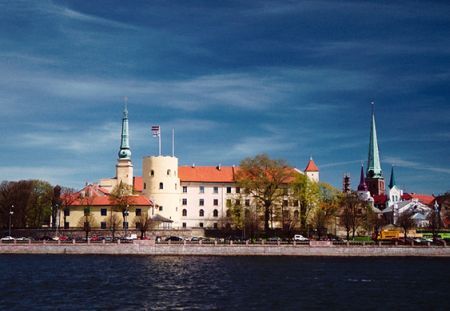
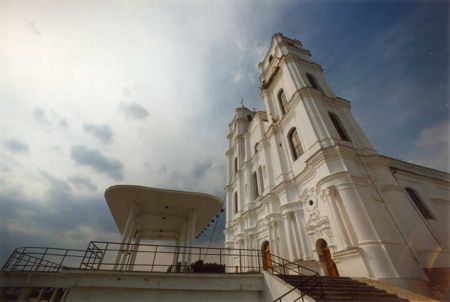
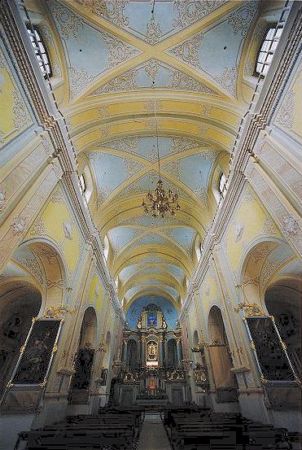
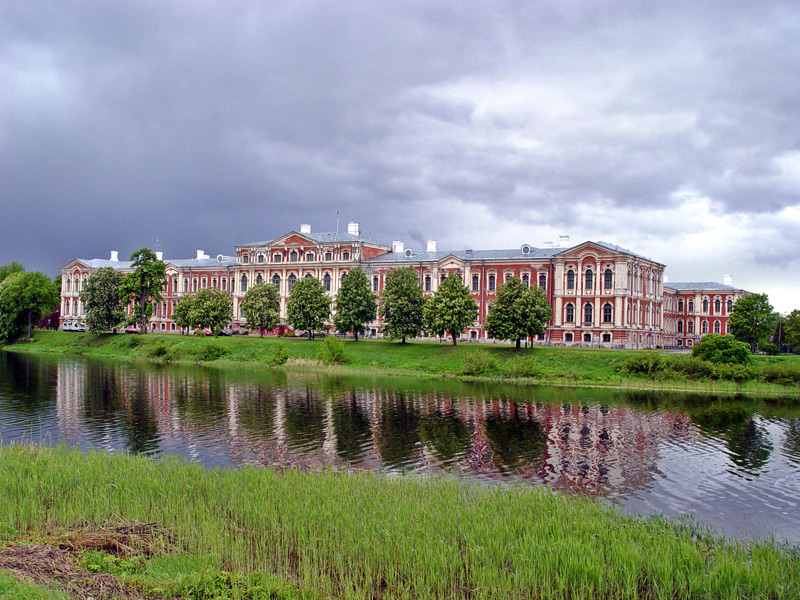
Jelgava town is located in Zemgale region about 45 km to south from Riga. More than 66. 000 inhabitants live in this historically significant town in the area of 60 square km. Jelgava is situated on banks of beautiful and wide river Lielupe, that is mouthing into the Gulf of Riga. Although though WWI and WWII destroyed 90% of the town, some historical monuments were preserved and rebuilt. Jelgava Palace, situated on the bank of Lielupe river, is one of the most visited sights in Jelgava. In winter, Jelgava becomes a land of ice, as in January-February monthes there is held an International Ice Sculpture Festival that attracts artists even from 26 countries from all over the world. |
| Tourism |
|
| Cultura |
Last weekend of May is special to everyone here in Jelgava. Citizens and guests can plunge into our City festival that offers wide range of activities, including performances, shows, exhibitions, concerts and numerous parades.
A tradition already, the Crafts’ Day offers an extraordinary market hustle in the centre of the city – in Duke Jacob’s Square, bringing together hundreds of craftsmen, their apprentices and citizens willing to buy handmade goods.
Societies of national minorities and artists from twinning cities are most welcome guests, bringing spirit of friendship, various cultures and traditions to the city. |
|