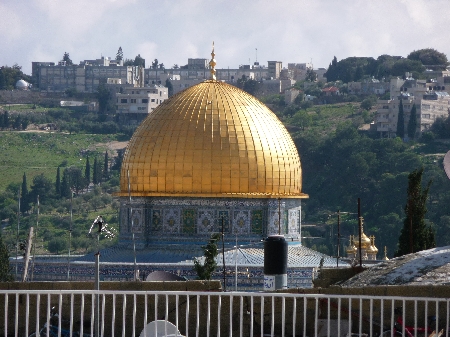
Israel is located, between 29°-33° north of the equator, which is characterized as a subtropical region, between the temperate zone and the tropical zone. The northern and coastal regions of Israel show Mediterranean climate characterized by hot and dry summers and cool rainy winters. Whereas the southern and eastern areas of Israel are characterized by an arid climate.
Culture
The culture of Israel developed long before the foundation of the State of Israel in 1948 and combines the heritage of secular and religious lives. Much of the diversity in Israel's culture comes from the diversity of its population. Originating from around the world, immigrants arrived with diverse cultural backgrounds and contributed to the development of Israeli culture, which follows cultural trends and changes across the globe. Israeli culture also reflects Jewish history in the diaspora, especially the ideology of the Zionist movement beginning in the late nineteenth century.
Tourism
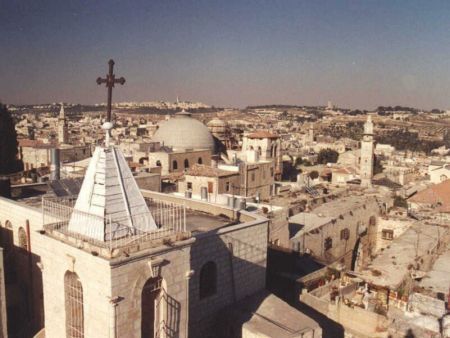
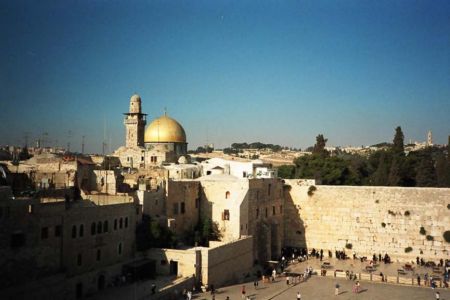
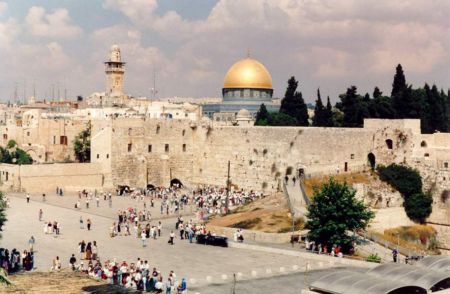
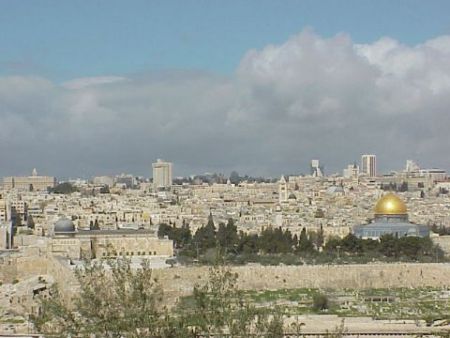
Tourism in Israel is one of the country's major sources of income, with 3. 45 million tourist arrivals in 2010. Israel offers a plethora of historical and religious sites, beach resorts, archaeological tourism, heritage tourism and ecotourism. Israel has the highest number of museums per capita in the world. The most popular paid tourist attraction is Masada. Most tourists visit from the United States, Russia, France, United Kingdom and India.