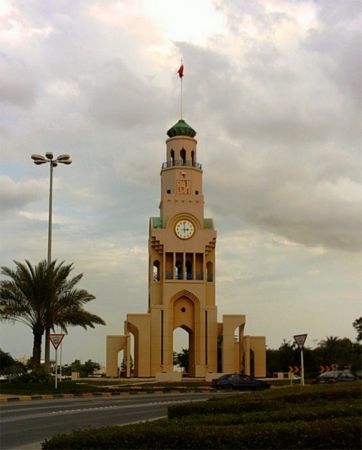
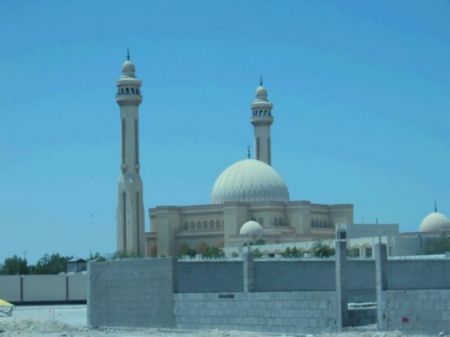
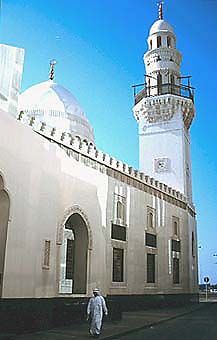
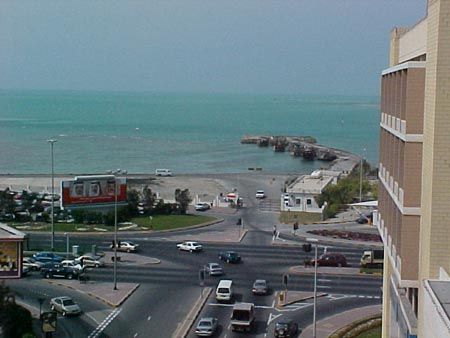
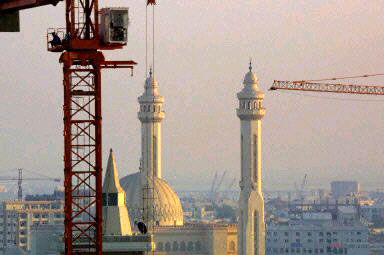
Bahrain receives two million tourists a year. Most visitors are from Arab states of the Persian Gulf but there are an increasing number of tourists from outside the region.
The Lonely Planet guide describes Bahrain as "an excellent introduction to the Gulf"[1] because of its Arab heritage and the reputation that it used to enjoy as safe and modern. The ancient civilisation of Dilmun, which dominated trade between Mesopotamia and the Indus Valley Civilization, was centred in Bahrain. The inhabitants of Dilmun left behind settlements and temples and tens of thousands of burial mounds which dot the landscape.
Cuisine
There is a wide range of quality dining options, many but not all of which are to be found in the 5-star hotels. If the ubiquitous Gulf menu of rice, lamb and mezze (hummus, chopped salads and other appetisers) is not to your taste, then try the locally caught prawns and lobster. The fruit juices, such as lemon and mint, are irresistible in summer.
Climate
June to October, hot and humid (42°C/108°F), December to April, mild (10-20°C/50-68°F). December through to March can be quite cool. Rainfall is slight and occurs mainly in winter.
The best time to visit Bahrain is between February to April and October to December when the sky is free from heat haze and the weather sunny without being oppressive. The times to avoid, other than the punishing mid-summer months, are Ramadan (when restaurants are closed during the day) and the two Eid