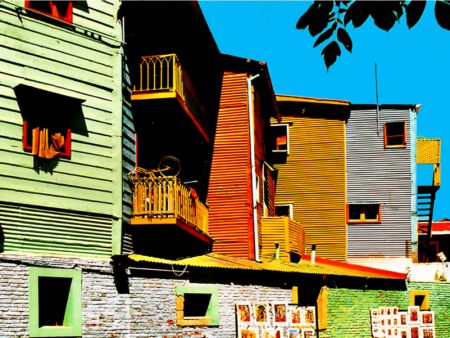
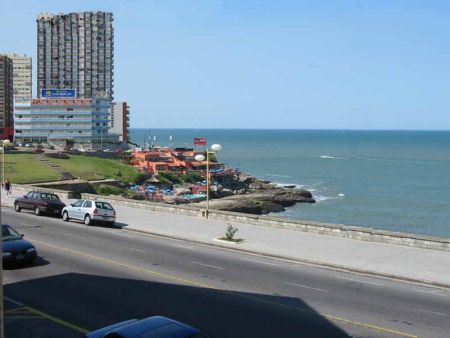
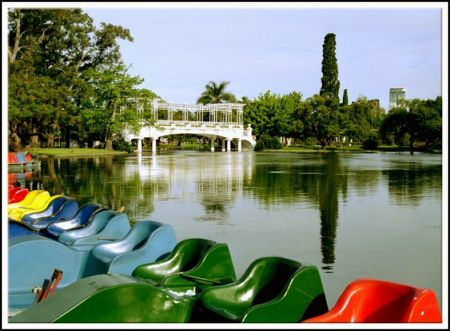
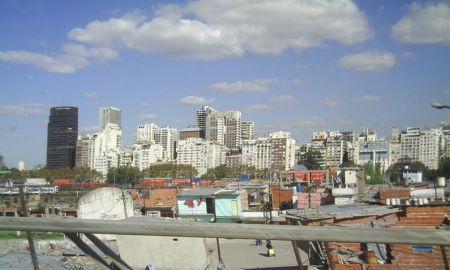
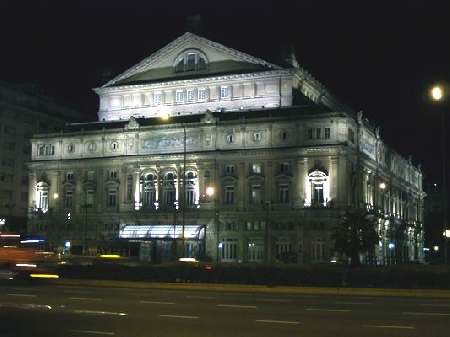
Tourism in Argentina is favored by its ample and varied natural assets (made possible by its geographical extension) and by its cultural offerings. The country is lucky to have everything a tourist would ask for. It has been compared to the United States with all of the tourist attractions that it offers, its attractions are in a much smaller region compared to the United States.
Cuisine
Argentine cuisine may be referred to as a cultural blending of indigenous Mediterranean influences (such as those exerted by Italian-Spanish and Arabic polulations) with the wide scope of livestock and agricultural products which are abundant in the country. Argentine annual consumption of beef historically averaged 100 kg (220 lbs) per capita, approaching 180 kg (396 lbs) per capita during the 19th century; consumption averaged 67. 7 kg (149 lbs) in 2007. Beyond asado (the Argentine barbecue) it is hard to think of any other type of dish that more genuinely matches the national identity. Nevertheless, the country´s vast area and its cultural richness have caused the local cuisine list to include many more dishes.
Language
The official language of Argentina is Spanish and when visiting Argentina, it is advisable to learn some of the language prior to visiting. This will ensure that you gain maximum enjoyment from the trip and that you are not constantly referring to language phrase books – which we all know can prove cumbersome!
Climate
Argentina's climate ranges from the great heat and extensive rains of the subtropical Chaco in the north, through to the pleasant climate of the central Pampas, and the sub-Antarctic cold of the Patagonian Sea in the south. The main central area is temperate, but can be hot and humid during summer (December to February) and cool in winter. Head to Buenos Aires in September-November and February-March to enjoy warm weather while avoiding the stifling heat.