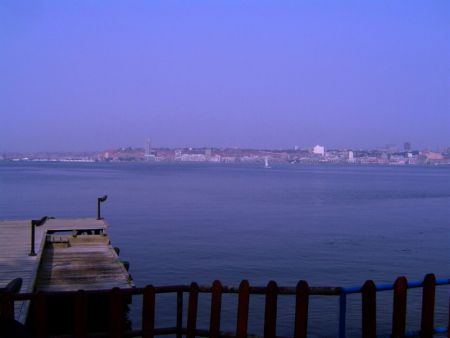
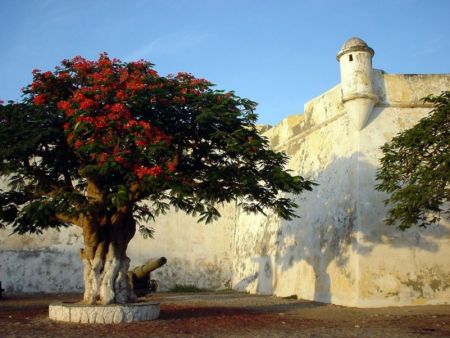
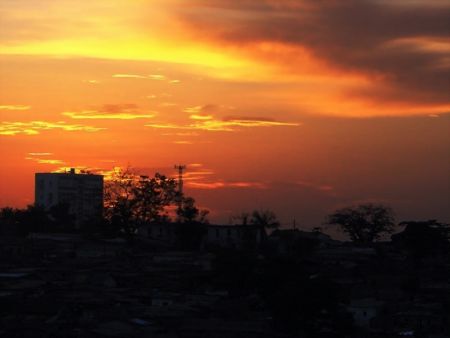
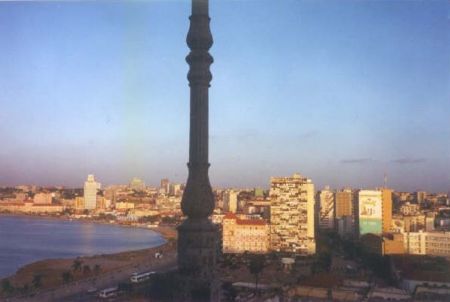
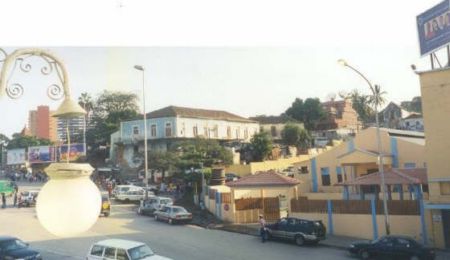
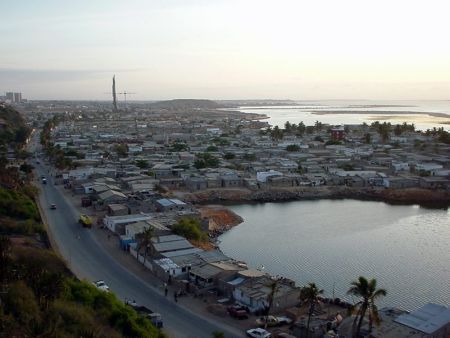
The tourism industry in Angola is based on the country's natural beauty, including its rivers, waterfalls and scenic coastline. A Washington Post article on tourism in the country says that "Angola is a giant jigsaw puzzle of different climates, landscapes, cultures and colors. " Angola's tourism industry is relatively new, as much of the country was destroyed during the post-colonial civil war which ended in 2002
Language
Using the data from the 1983 census of Angola, Portuguese is both the official and predominant language, as it is spoken in the homes of about two-thirds of the population and as a second language by many more throughout the country. Of the 60% Portuguese native speakers, half could speak only Portuguese, while the other half spoke a Bantu language as a second tongue. [1] However, this source cannot be considered as reliable. In fact, the proportion of people who speak Portuguese as their sole language is considerably lower; according to current (2010) estimates, it is about one third.
Cuisine
One of the most popular Angolan dishes and worth a try is the Angolan river fish, Kakusso, served with beans and cooked in palm oil.
read more: http://www. tntmagazine. com/travel/destinations/africa/angola/food-and-drink/food-amp-drink-in-angola. aspx#ixzz1Zt9LLadY Also try Calulu. It is dried fish or meat layered with fresh fish or fresh meat, onion, tomatoes, okra and sweet potato leaves.
Currency
The kwanza (sign: Kz; ISO 4217 code: AOA) is the currency of Angola. Four different currencies using the name kwanza have circulated since 1977.
Cultura
Cost
The cost of living in Angola can best be described as astronomical. Most expats live in the capital city of Luanda, which topped the 2010 Mercer Cost of Living Survey as the most expensive expat destination in the world; even trumping the likes of London, Tokyo and Moscow.